Recycling and Sustainability at Canary Wharf Carpet Cleaners
 Canary Wharf Carpet Cleaners is committed to a practical, measurable approach to sustainability that supports the local environment as well as the homes and workplaces we serve. Our recycling and sustainability policy is built around reducing waste, improving material recovery, and using lower-impact transport wherever possible. For a busy district like Canary Wharf, where offices, apartments, retail spaces, and managed buildings all generate a steady flow of packaging, textile waste, and cleaning-related materials, a responsible carpet cleaning company must think beyond the job itself. We aim to keep resources in circulation for longer, minimise landfill, and make better use of the area’s established recycling infrastructure.
Our current recycling percentage target is to divert at least 85% of suitable operational waste from landfill, with a longer-term ambition of reaching 90% as new recovery systems and supplier agreements become available. This target covers non-hazardous items such as cardboard, plastic wrapping, paper, reusable containers, and selected maintenance materials that can be sorted and processed through local recycling channels. We also track the reuse of equipment and the repair of tools before replacement, because sustainability is not only about where waste ends up; it is also about how long an item can remain useful. In a service business, small changes in routine can create a meaningful reduction in environmental impact over time.
Our carpet cleaning operations are designed to support responsible waste handling from the start.  We separate recyclable packaging, collect used consumables carefully, and send recoverable materials to approved facilities rather than general disposal routes. This is especially relevant in boroughs around Canary Wharf, where waste separation expectations are often strict and building managers expect clear sorting of dry mixed recycling, food waste, and residual waste. By aligning our own practices with those local standards, Canary Wharf carpet cleaners can work more efficiently with landlords, facilities teams, and waste contractors. We also encourage the recycling of batteries, lamps, and small electrical items through proper channels when they are removed from service.
Local Recycling, Transfer Stations, and Material Recovery
To keep our operations aligned with the area’s sustainability goals, we make use of approved local transfer stations and waste handling facilities where suitable. These sites help consolidate materials before they are sorted for recovery, treatment, or onward processing. Using established transfer stations can reduce unnecessary miles, improve route efficiency, and ensure recyclable items are directed into the correct stream. In the Canary Wharf area and nearby parts of Tower Hamlets and surrounding boroughs, this is particularly important because space is limited and waste must often be handled in tightly managed collection cycles.
Our team pays close attention to how different boroughs approach waste separation. Some local estates and commercial buildings require strict segregation of paper, mixed dry recycling, soft plastics, and general waste, while residential blocks may also include separate collection for glass, food, and garden waste. We respect those systems by sorting our own materials to match the local framework wherever possible. This helps reduce contamination, which is one of the main reasons recyclable material is rejected. In practice, this means keeping cardboard dry and clean, flattening packaging before disposal, and preventing reusable items from being mixed with non-recyclables.
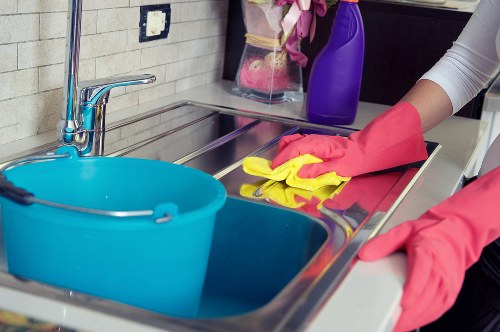 The same principle applies to the products and materials used during a carpet cleaning appointment. We choose packaging that is easier to recycle, reduce single-use items where practical, and work with suppliers who understand the importance of resource efficiency. For office carpet cleaning and commercial maintenance, the volume of consumables can be significant, so even modest improvements in sourcing and handling make a difference. Canary Wharf carpet cleaning services can support the local circular economy when equipment, packaging, and disposal practices are managed with care.
Partnerships with Charities and Reuse Organisations
Another important part of our sustainability approach is partnership with charities and reuse organisations. Where items remain in usable condition, we prefer donation or repurposing over disposal. This can include surplus soft furnishings, serviceable equipment, office consumables, and selected household items that may be suitable for reuse after cleaning or sorting. By working with charitable partners, we help extend the life of materials and support community initiatives that benefit people across London. This creates a more meaningful outcome than simply sending an item to be recycled or disposed of.
Our approach to charity partnerships is based on three principles: usability, safety, and traceability. Usable items are assessed carefully; anything that cannot be safely reused is redirected into the appropriate recycling stream instead. This structured method ensures we do not create avoidable waste while still respecting the standards expected by donation partners. In a dense business district such as Canary Wharf, where fit-outs, refurbishments, and office changes can generate surplus items, reuse partnerships can play a valuable role in reducing waste and keeping resources in circulation.
We also look for opportunities to support local environmental initiatives through awareness and responsible working practices.  That may include helping clients understand the importance of separation bins, encouraging better packing of recyclable materials, or ensuring our own service visits produce as little waste as possible. Although these actions are small on their own, they reflect a wider commitment to sustainable working in one of London’s most active commercial areas.
Low-Carbon Vans and Smarter Transport
 Transport is another area where we continue to cut emissions. Our low-carbon vans are selected for fuel efficiency, reduced emissions, and reliable performance in urban traffic. We regularly review vehicle routes to avoid unnecessary mileage, which helps lower our carbon footprint while improving punctuality. In a location like Canary Wharf, where journey times can be affected by congestion, loading restrictions, and peak-hour traffic, route planning is an important sustainability tool. Efficient scheduling means fewer repeat trips, less fuel use, and reduced environmental impact.
Our fleet strategy includes gradual replacement of older vehicles with lower-emission alternatives as part of a long-term transition plan. We also encourage sensible driving habits, regular maintenance, and load optimisation so that each journey is as efficient as possible. Low-carbon vans are not just a branding choice; they are a practical investment in cleaner operations. For customers looking for Canary Wharf carpet cleaners with strong environmental values, this approach shows that sustainability is embedded in day-to-day decisions rather than added as an afterthought.
We believe that a responsible carpet cleaning company should contribute to the sustainability of its local area in visible, measurable ways. That means recycling more, wasting less, supporting reuse through charities, and operating cleaner vehicles. It also means understanding the boroughs’ approach to waste separation and working in step with local systems rather than around them. By keeping our recycling percentage target high, using local transfer stations where appropriate, and maintaining low-carbon vans, Canary Wharf Carpet Cleaners aims to deliver excellent service with a smaller environmental footprint. Canary Wharf carpet cleaning can be effective, professional, and environmentally conscious at the same time.